
ASTM F 2580: 2018, Standard Practice for Evaluation of Modular Connectionof Proximally Fixed Femoral Hip Prosthesis
This practice covers a procedure for the fatigue testing of metallic femoral hip prostheses used in hip joint replacements. This practice covers the procedures for the performance of fatigue tests on metallic femoral hip stems using a cyclic, constant-amplitude force. It applies to hip prostheses that utilize proximal metaphyseal fixation and are of a modular construct, and it is intended to evaluate the fatigue performance of the modular connections in the metaphyseal filling (that is, proximal body) region of the stem.
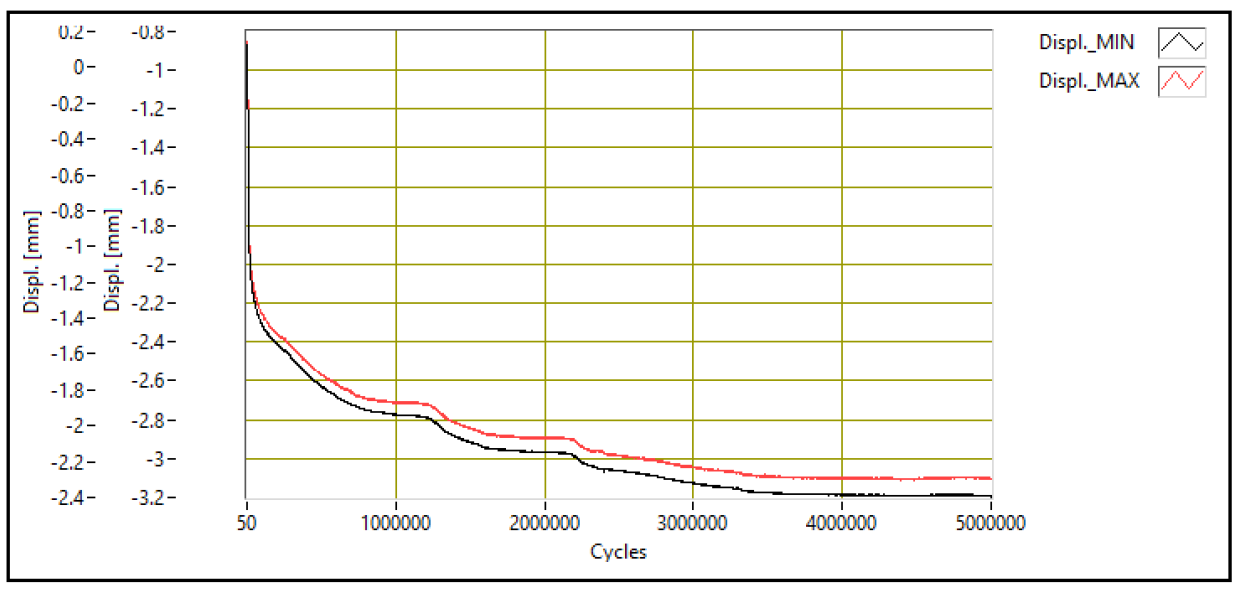
ASTM F 1820: 2013, Standard Test Method for Determiningthe Forces for Disassembly of Modular Acetabular Devices
This test method covers a standard methodology by which to measure the attachment strength between the modular acetabular shell and liner. Although the methodology described does not replicate physiological loading conditions, it has been described as a means of comparing the integrity of various locking mechanisms
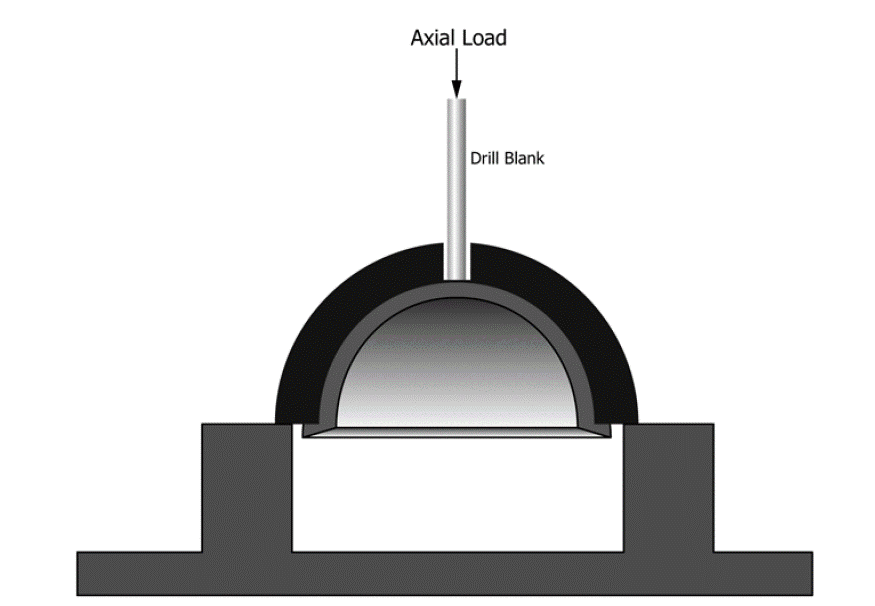
ISO 7206-04: 2010, Implants for surgery — Partial and totalhip joint prostheses — Part 4: Determination of enduranceproperties and performance of stemmed femoral components
“This part of ISO 7206 specifies a test method for determining the endurance properties of stemmed femoral
components of total hip joint prostheses and stemmed femoral components used alone in partial hip joints
under specified laboratory conditions. It also defines the conditions of testing so that the important parameters
that affect the components are taken into account, and describes how the specimen is set up for testing.”
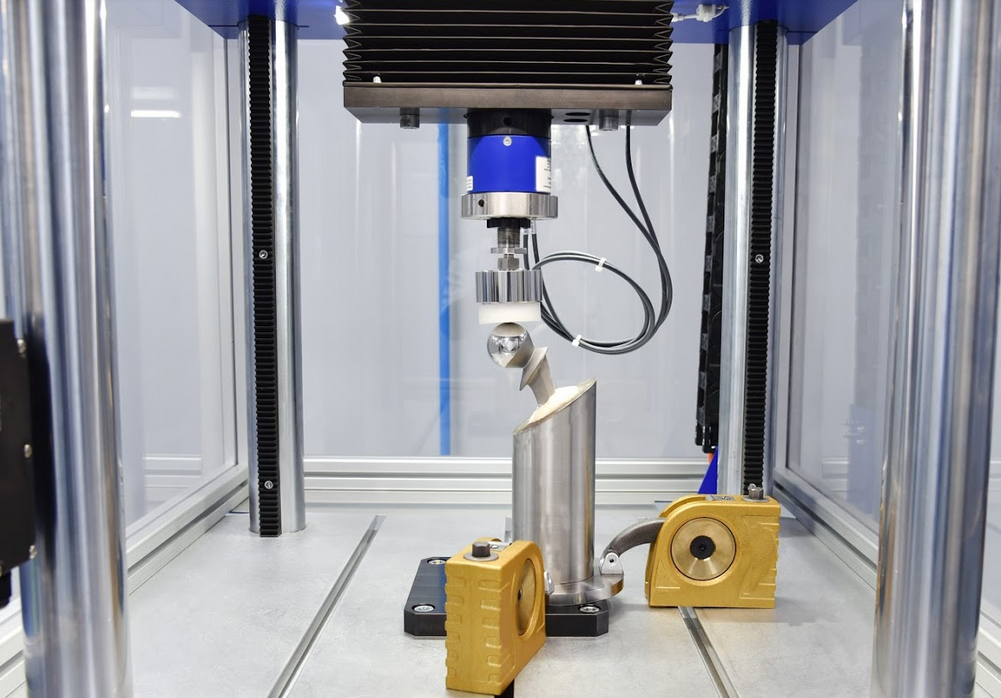
“ISO 7206-10: 2018 Implants for surgery — Partial and totalhip-joint prostheses — Part 10: Determination of resistance to static loadof modular femoral heads”
This testing method applies to components made of metallic and non-metallic materials, such as femoral heads of partial or total hip-joint replacements of modular construction (i.e. a head/neck conical taper connection).
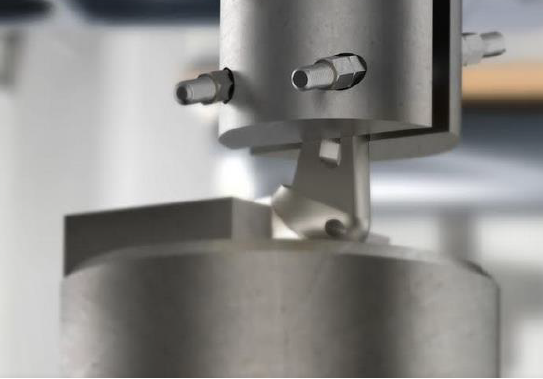
“ISO 7206-13: 2016, Implants for surgery — Partial and totalhip joint prostheses — Part 13: Determination of resistance to torque of head fixationof stemmed femoral components”
This part of ISO 7206 describes a method of determining the torque required, under specified laboratory conditions, to loosen the fixation of the head of hip joint prostheses in which the head is not intended to rotate relative to the neck. It applies to the femoral component of total or partial hip joint replacements in which the head and neck/stem (in the following referred to as cone) are secured together by a locking conical taper or any other means and in which the head and cone are separate components, and which are made of metallic or non-metallic materials.